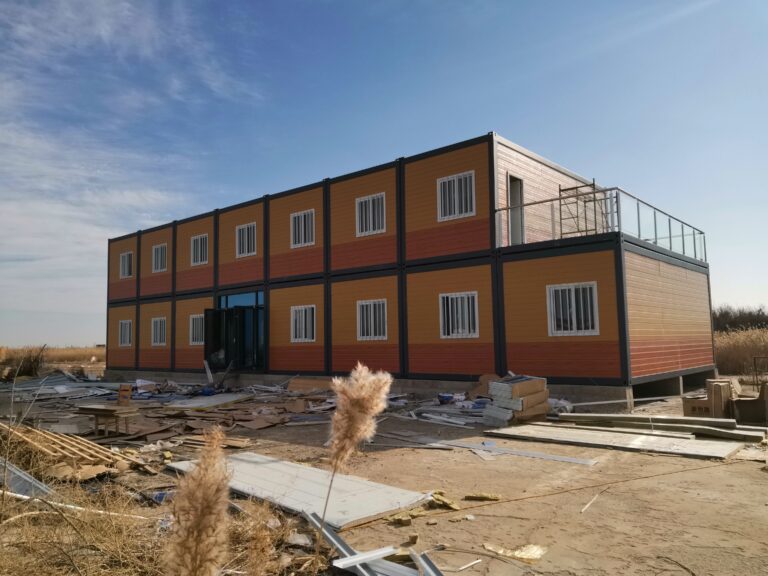
Thanks to advantages such as rapid construction, portability, low material waste, and aesthetic appeal, modular prefabricated buildings have become a mainstream choice for projects ranging from cultural tourism camping and temporary construction site facilities to rural amenities and commercial pop-ups.
Clients often face a dilemma when selecting a model: what are the core differences between three popular products—modular A-frame cabins (on-site assembly), expandable houses, and space capsule homes? How can one precisely match the right product to a specific project?
We will provide a comprehensive breakdown of the suitable scenarios for these three products based on four key dimensions: project purpose, budget and timeline, site conditions, and operational needs. This guide aims to help you avoid common selection pitfalls, make precise matches, and improve both implementation efficiency and return on investment.
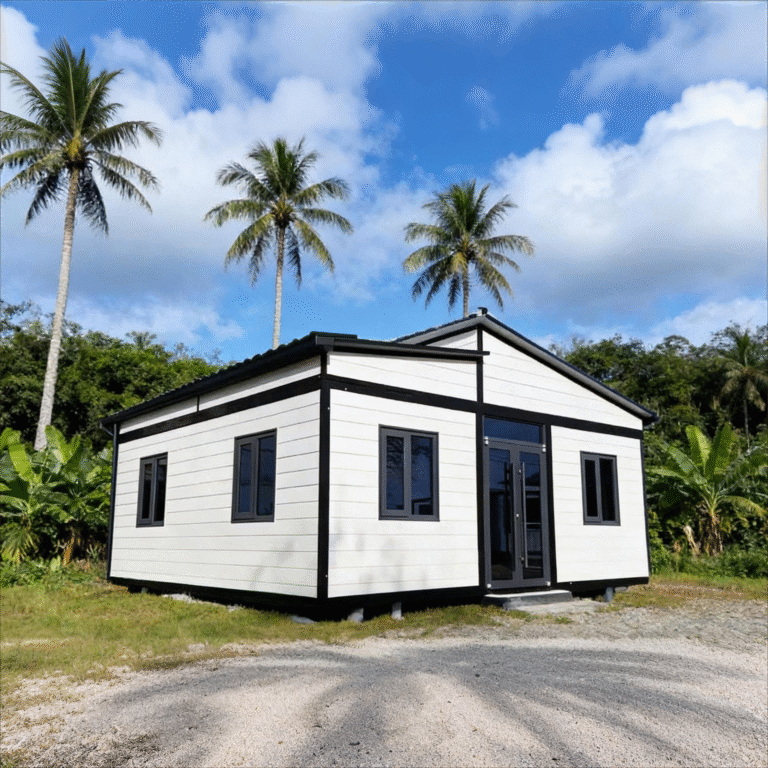
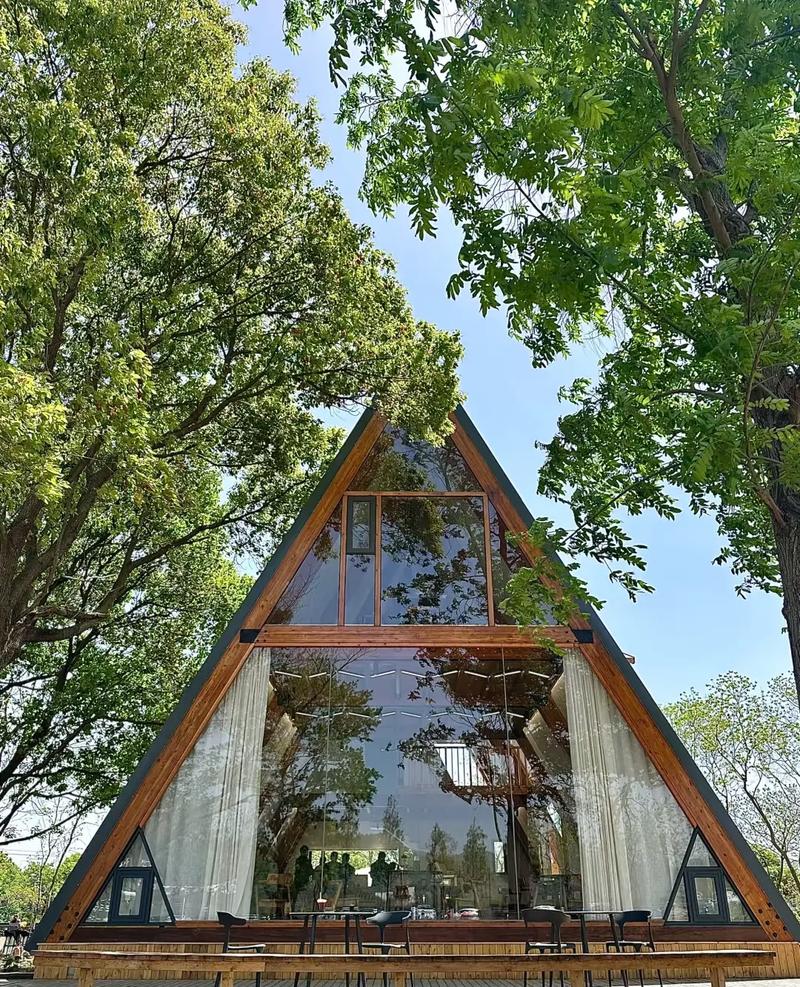
I. Modular A-Frame Cabin (On-site Assembly): Natural, understated luxury, durable, and versatile; designed primarily for medium-to-long-term landscape-integrated projects.
✅ Ideal for the following project types:
– Permanent scenic area amenities: Mountain service stations, cultural & creative shops, scenic tea rooms, forest reading nooks, and wilderness rest lounges. These serve as permanent or semi-permanent facilities that are highly durable and harmonize with the natural, cultural-tourism aesthetic.
– Mid-slope scenic vacation cabins and niche, exclusive campsites: The A-frame structure suits sloped or irregular terrain, eliminating the need for extensive foundation leveling and significantly reducing site preparation costs.
On-site assembly allows for site-specific adjustments to accommodate complex topography. The design is natural rather than industrial, offering high asset retention and slow depreciation—making it perfect for operations spanning 3 to 10 years. Flexible layouts allow for standalone units or clustered configurations to meet the needs of large-scale campsite developments.
Not suitable for: Ultra-short-term temporary structures, projects requiring frequent relocation, or bare-bones, ultra-low-cost construction site dormitories.
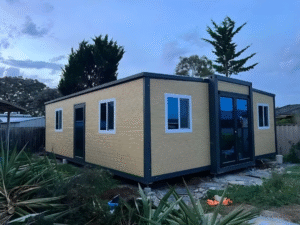
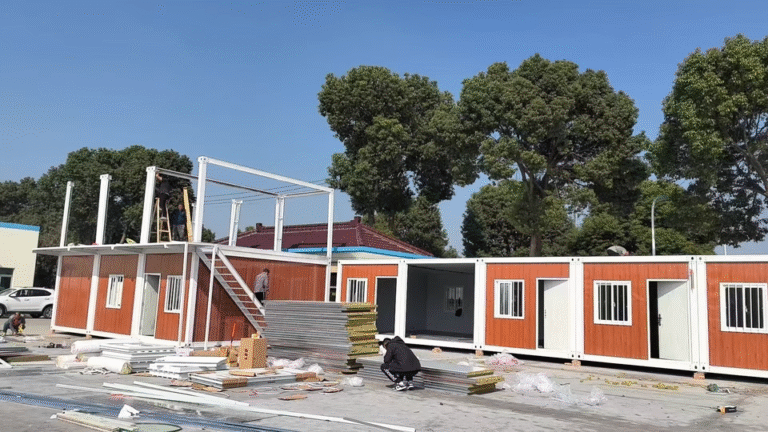
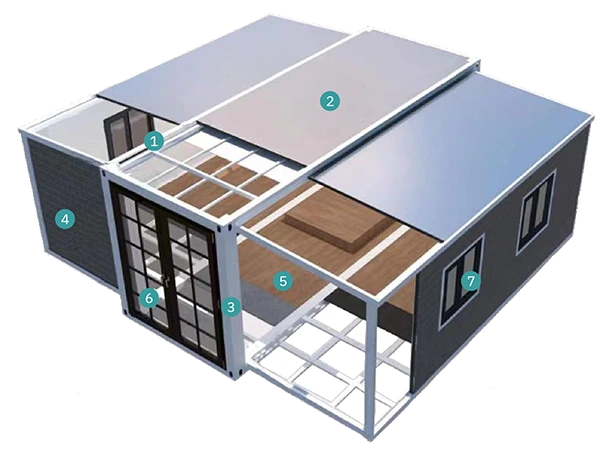
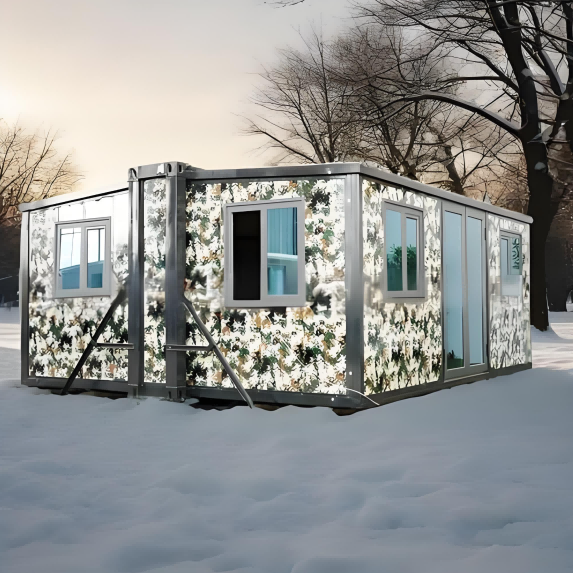
II. Expandable Houses: High-efficiency, utilitarian, and the ultimate value-for-money choice; ideal for temporary and rapid, large-scale deployments.
✅ Best suited for:
– Emergency temporary housing projects: Disaster relief shelters, temporary event facilities, epidemic prevention units, and emergency response offices or accommodation. They offer rapid deployment and can be dismantled immediately after use. – Support for remote field operations: Accommodation for operations in uninhabited areas—such as oil fields, photovoltaic power plants, and field surveys. They require minimal foundation work, are suitable for barren sites, and offer extremely high rates of relocation and reuse.
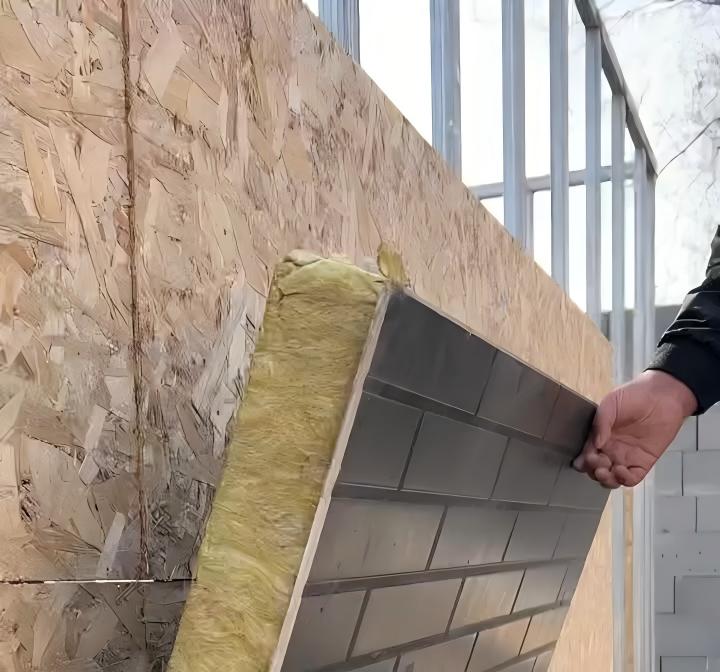
They offer rapid deployment and exceptional reusability, resulting in the lowest costs for batch installation. Built to withstand harsh outdoor conditions, they focus on “quickly meeting essential accommodation and office needs” rather than trendy aesthetics, prioritizing practical functionality. Compared to traditional prefab cabins, they offer vastly superior sealing, thermal insulation, and safety. Their ability to be repeatedly folded and relocated makes them far more cost-effective in the long run than traditional temporary structures.
Not suitable for: Projects focused on high-aesthetic “Instagrammable” appeal, high-end vacationing, or permanent commercial homestays.
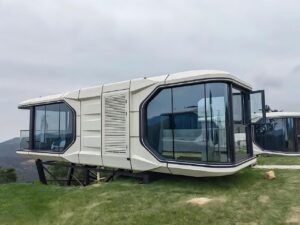
III. Space Capsule Houses: Futuristic, minimalist, and viral “internet-famous” designs; ideal for high-end, photogenic, and premium experience-oriented projects.
✅ Best suited for these types of projects:
– Urban commercial attractions: Viral-style coffee pods, cultural/creative retail units, leisure reading nooks, and “affordable luxury” rest areas in city parks. Their unique, futuristic appearance quickly draws crowds and creates urban landmarks.
– Premium scenic area amenities and immersive experience spaces: Observation pods, upscale visitor rest areas, and themed experience units. Their lightweight construction avoids damaging the natural ecosystem, aligning perfectly with eco-friendly cultural tourism development.
Highly distinctive with built-in viral appeal and shareability, they command a premium far above standard modular housing. Features include whole-house smart systems, thermal insulation, soundproofing, and watertight sealing for an excellent living experience. Their lightweight structure minimizes ecological impact, making them ideal for various high-end, boutique, and “Instagrammable” commercial projects.
Not suitable for: Large-scale essential temporary housing, low-cost construction site dormitories, rugged industrial operational housing, or regions with high ocean freight costs.