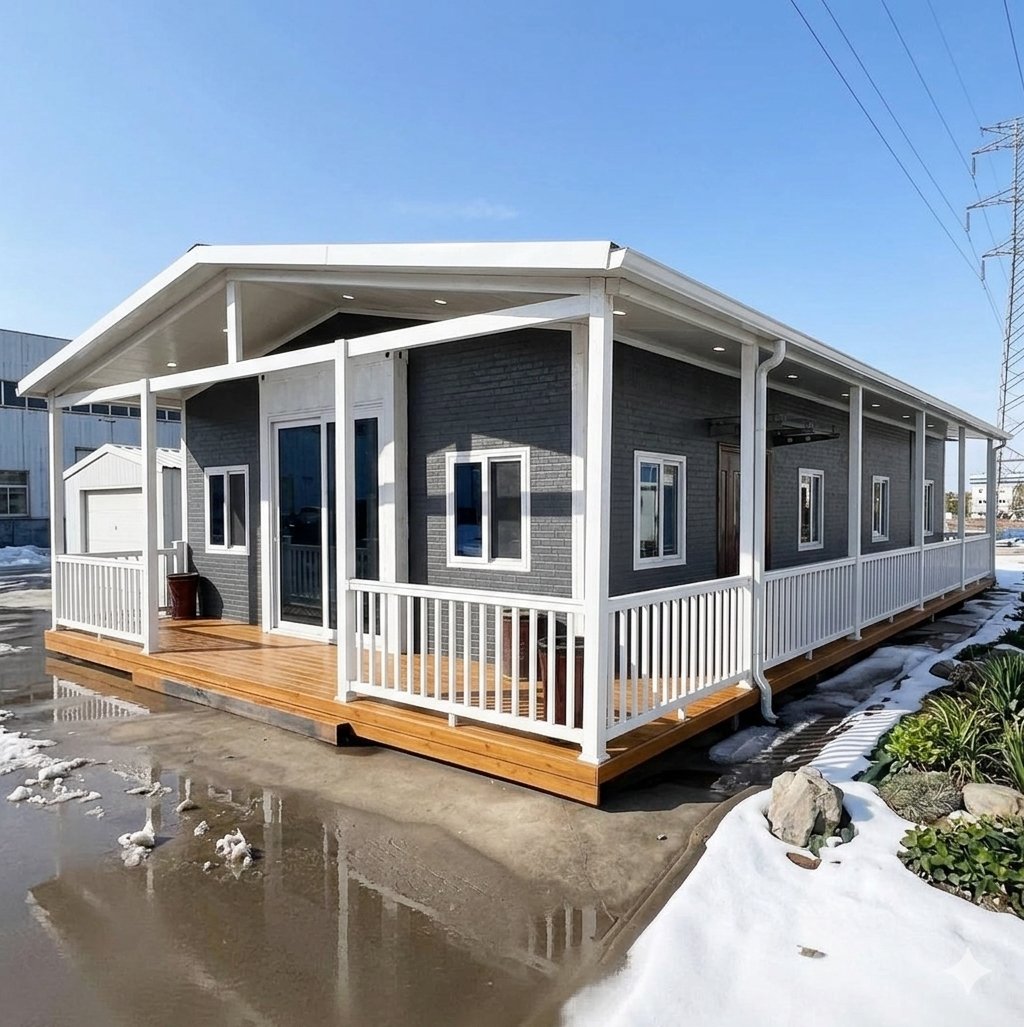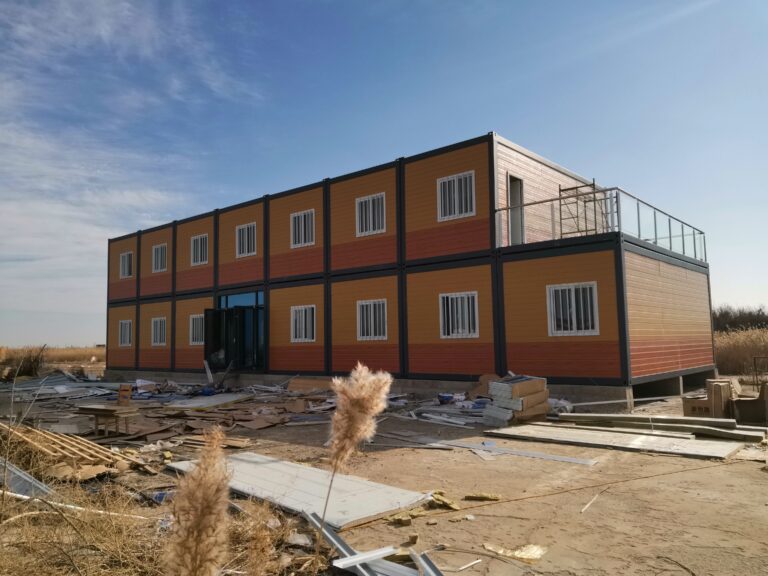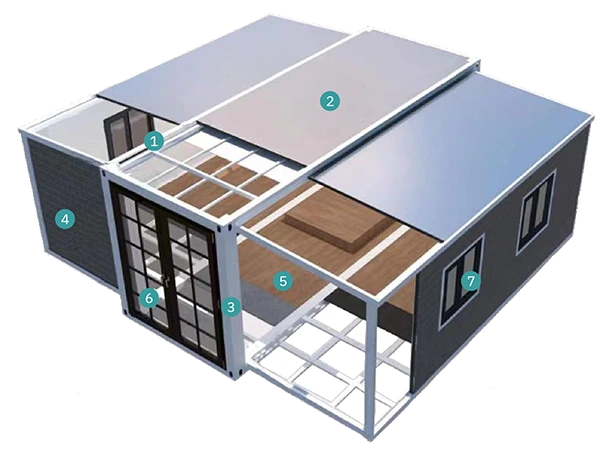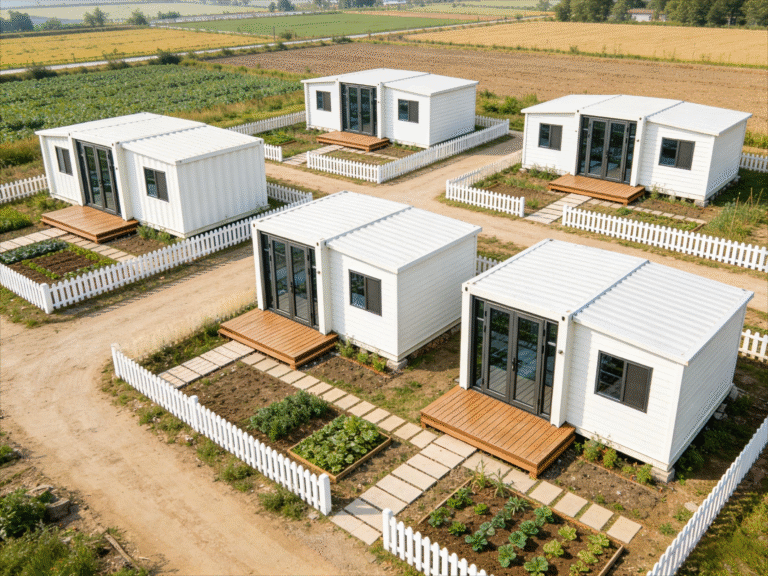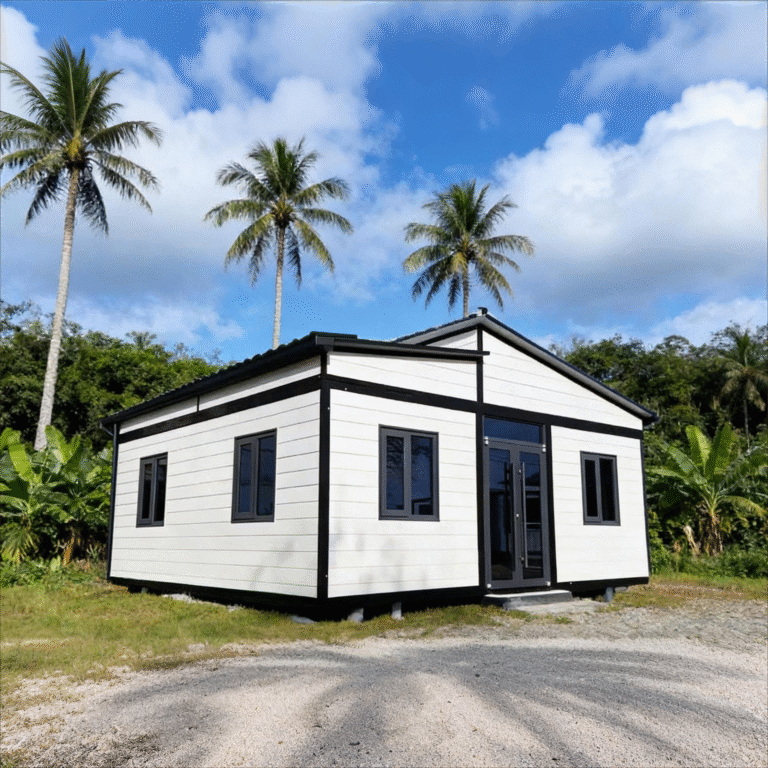
Prebuilt shipping container homes never lack negative feedback: poor heat insulation, weak soundproofing, cheap-looking appearance, and the perception of not being “real houses”…
Yet against all the criticism, market demand keeps surging. Container structures are widely adopted as construction site dormitories, rural temporary residences, scenic area homestays, pop-up shops, startup storefronts, and emergency housing facilities.
Why do people keep buying them despite the endless complaints?
The answer is straightforward: shipping container homes are not perfect, but they are the most practical and cost-effective solution that fits ordinary people’s current needs, outperforming traditional buildings by a large margin. All the downsides are merely minor experience flaws, while the sustained purchases represent rational and well-calculated decisions.
01 Outperforming Traditional Construction: Cost-Effective, Fast and Hassle-Free
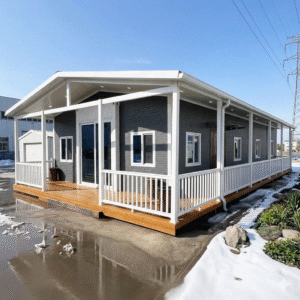
Building or buying a house places a huge financial burden on most people. The biggest advantage of prefabricated container homes is that they cut construction costs and time in half.
In terms of cost, standard container homes are 30% to 50% cheaper than traditional brick-and-concrete houses. They eliminate the need for massive building materials and complicated on-site construction work, saving substantial labor and material costs. A fully functional and move-in ready container unit can be completed with a low budget of around 100,000 yuan, creating an extremely low entry barrier.
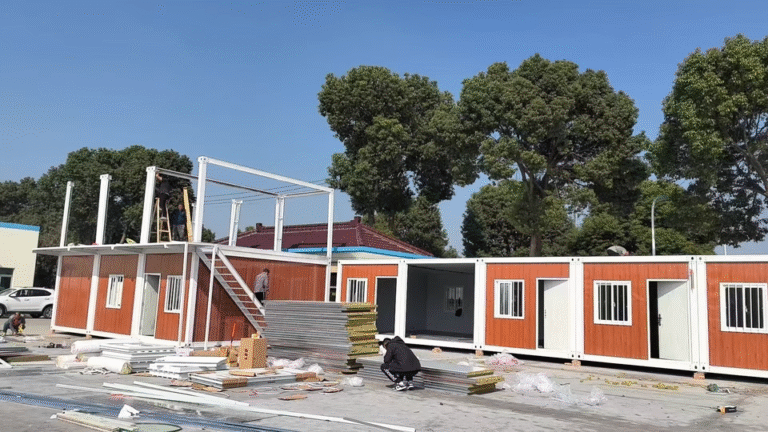
Their construction speed is unrivaled. Traditional house construction, from foundation laying and wall building to decoration, usually takes several months or even half a year, and is easily affected by bad weather and schedule delays. In contrast, prefab container homes are fully manufactured in factories and installed on-site via hoisting. They can be fully put into use within days or two weeks after simple assembly, renovation and furnishing.
For urgent housing demands such as construction site temporary dormitories, transitional rural residences, short-term commercial stores and scenic area supporting facilities, this instant usability is an irreplaceable core advantage that traditional construction cannot match.
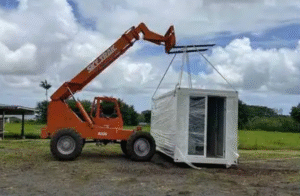
02 Mobile & Modular: Solving the Biggest Pain Points of Modern Construction
The core reason why many people hesitate to build traditional houses is uncertain land use, flexible urban planning, and high trial-and-error costs.
Traditional brick-and-concrete buildings are fixed one-time assets. Once completed, they cannot be moved or modified. They will basically become worthless and cause huge losses if land use policies or project plans change.
However, prefab container homes feature modularity, mobility and reconfigurability.
Built with robust steel structures, they can be wholly hoisted and relocated, and freely assembled or stacked for expansion. When a project ends or the land purpose changes, these units can be moved and reused without almost any asset loss.
Whether for temporary office spaces in industrial parks, boutique homestays in scenic spots, street pop-up stores, post-disaster emergency shelters, or transitional rural housing, their mobility, reusability and flexible scalability perfectly solve the most tricky problems of modern housing and commercial construction, offering unique benefits that fixed concrete buildings cannot provide.
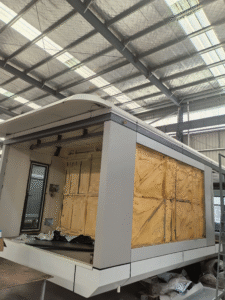
03 All Complaints Are Fixable Flaws, Not Fatal Defects
The widely criticized issues like poor thermal insulation, noise leakage, fragility and extreme indoor temperatures arenot inherent defects of container architecture, but problems of low-end, shoddy container units — and all of these issues can be easily fixed through professional renovation.
Most people’s negative stereotypes come from cheap, basic container models with no thermal insulation, no soundproof treatment and thin outer panels, which indeed deliver a poor living experience.
In contrast, customized and professionally renovated container homes can completely avoid these problems:
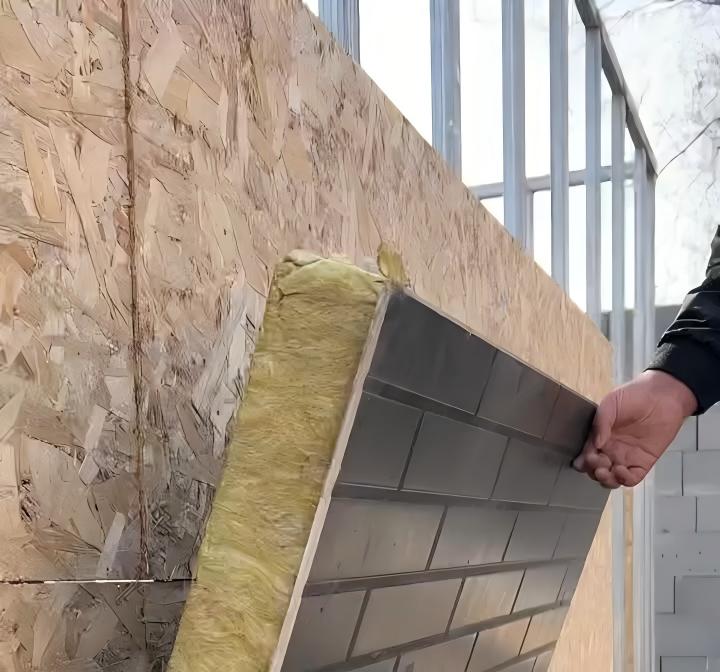
– Thermal Insulation: Equipped with rock wool insulation layers, double-layer wall panels and waterproof thermal roofs to eliminate overheating in summer and coldness in winter.
– Sound Insulation: Fitted with gypsum boards and soundproof cotton for full sealing treatment, achieving sound insulation effects comparable to ordinary brick-concrete houses.
– Structural Stability: Standard national-grade steel frames with anti-corrosion and rust-proof treatments have a service life of 20 to 30 years, with excellent wind and earthquake resistance to meet official safety standards.
Simply put: people complain about low-end cheap containers, while high-quality customized container homes have already fixed all experience shortcomings.
04 Criticized yet Popular: A Rational Compromise for Ordinary People
The paradox of “criticizing while purchasing” essentially reflects a rational compromise between ideal expectations and realistic living and business conditions. As a practical Alternative Housing option, prefab container structures fill the huge gap left by traditional buildings for ordinary users and small investors.
Modern housing dilemmas are obvious: rural self-built house approval has become increasingly strict; construction materials and labor costs keep rising; urban rental fees and startup shop rents are extremely high with huge trial-and-error costs. For urgent or temporary housing, workplace and commercial needs, traditional construction is too time-consuming and costly. In contrast, Quick build modular homes perfectly solve the pain points of long construction cycles and high investment risks.
Ideal fixed brick villas come with high costs, long construction cycles and numerous restrictions. By contrast, Low cost prefab homes represented by prefab container units serve as the most cost-effective, fastest-built and lowest-risk alternative option. Covering diverse scenarios from residential living to commercial operation, these ModularHome products are increasingly popular in the market.
This is just like ordering takeout despite knowing it is unhealthy, or renting a house while longing for a private property: practicality, affordability and availability always beat perfect but unattainable ideals. As a mature Affordable housing solution, prefab container and modular houses have become the mainstream choice for pragmatic users.
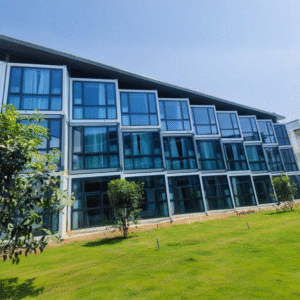
05 Industry Insiders Understand the Clear Cost-Benefit Logic
People who consistently invest in ContainerHome and Expandable Container House projects are not misled — they have calculated the real long-term value, especially for Rental property investment and small business entrepreneurship:
Investing a moderate budget in a customized Prefab Tiny House gets you a livable, usable, relocatable and rentable space that lasts for decades. Equipped with professional Anti-corrosion container houses technology, these units feature strong durability and flexible adaptability. They can be modified and moved anytime, and are widely used as Studio apartment, BackyardOffice and Modular Office Pod. Many investors also build Prefab Airbnb cabin and Glamping resort spaces to create stable rental income when idle.
In comparison, traditional house construction costs hundreds of thousands of dollars and takes half a year to finish. Once built, it is fixed and non-reusable. Any policy or plan changes will turn the huge investment into a total sunk cost. Meanwhile, modern Flat pack logistics support efficient transportation, with 2 units per 40HQ container, greatly reducing shipping costs and realizing Shipping cost effective homes delivery.
It’s not that people don’t want high-end fixed houses, but most scenarios simply don’t require such expensive and immovable construction. From Site office, Prefab Workplace and Portable Office Building for engineering projects, to Tourist resort modular house and rural transitional housing, modular prefab products can realize Instant setup house and Plug and play home effects, perfectly matching diverse lightweight usage needs.
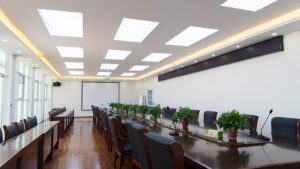
Final Thoughts
Prefab container and modular homes are far from perfect, but they precisely cater to modern people’s core housing and commercial demands: low cost, fast installation, high flexibility and low trial-and-error risk. As eco-friendly and sustainable building products from professional Modular house manufacturer China and Prefab house factory wholesale suppliers, these Eco-friendly prefab houses also conform to the trend of green construction.
All criticisms are minor experience issues that can be solved by customized upgrades, while continuous market purchases are the most authentic proof of product value. Whether it is Off-grid living homes, daily residential ADU spaces, or commercial glamping and homestay projects, modular prefab houses have shown unique market advantages.
For transitional residence, temporary construction use, low-investment startup business spaces, resort tourism development and rental property investment,PrefabHouse and container modular homes are undoubtedly the most pragmatic and cost-effective choice nowadays, favored by countless Tiny House Entrepreneurs and individual investors.