Evaluation of Expandable Houses for Emergency Rescue in Jiangsu, Zhejiang and Shanghai: Construction Speed, Space and Applicable Environments
In scenarios such as emergency rescue and large-scale events in Jiangsu, Zhejiang and Shanghai, temporary housing often faces the pain points of “slow construction, limited space, troublesome loading and unloading, and poor environmental adaptability”. As an innovative type of prefabricated housing, can double-wing folding houses solve these core problems? This article conducts an evaluation based on actual scenarios and measured data.
Evaluation Dimensions: Focusing on Core Needs in Emergency Scenarios
This evaluation sets four key dimensions around the critical requirements of emergency rescue and temporary public services:
1. Construction Speed (whether it can be put into use quickly);
2. Space Utilization Rate (whether it can meet the needs of multi-person office/rest);
3. Loading and Unloading Convenience (reducing secondary handling costs);
4. Applicable Environment (adapting to the humid or cold weather in Jiangsu, Zhejiang and Shanghai). These dimensions are directly related to the three major scenario pain points of “time efficiency”, “service capacity” and “cost control”.
Field Test Verification: Scenario Performance of Expandable Houses
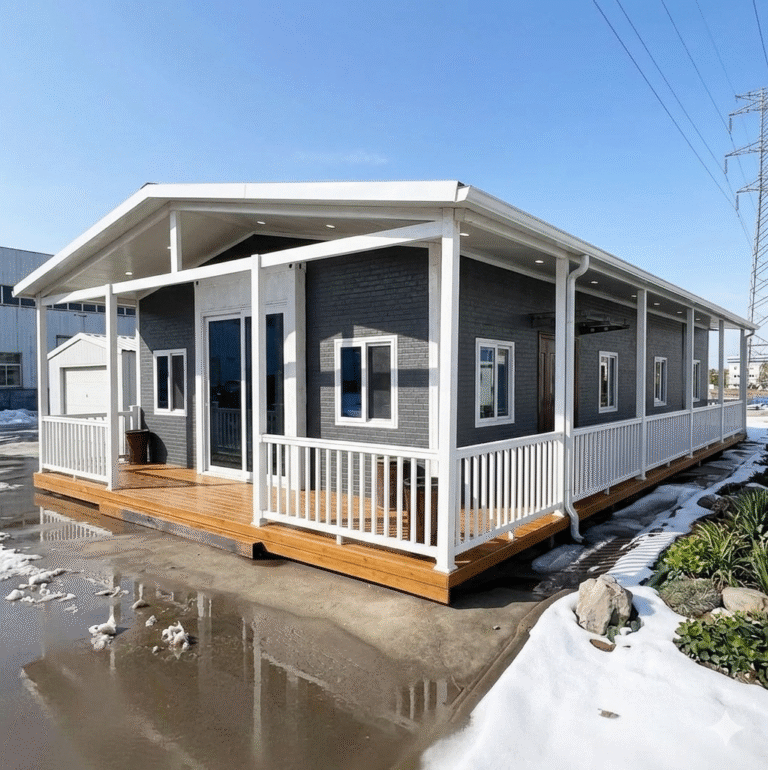
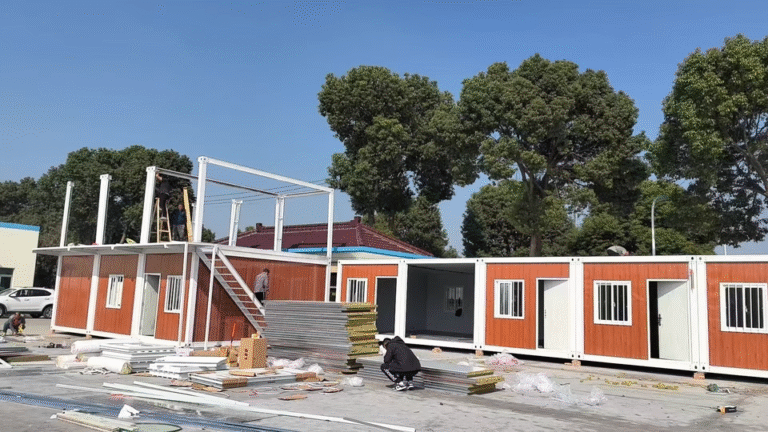
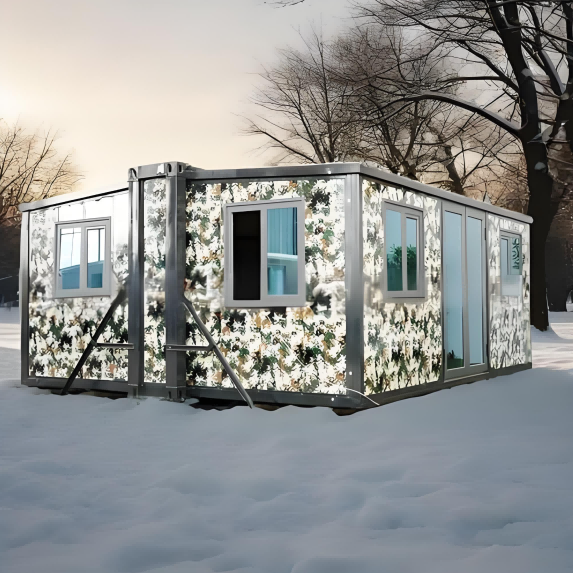
In the scenario of a temporary command center for a marathon in Jiangsu, Zhejiang and Shanghai, we conducted a field test on the expandable house : It only took 18 minutes from truck hoisting to unfolding and landing, and the operation could be completed by 2 workers, which was 50% more efficient than ordinary folding container houses. After unfolding, the side double wings extended an 8-square-meter balcony space, and the usable area of a single unit reached 35 square meters, an increase of 25% compared with ordinary folding houses of the same size, meeting the needs of 10 people working at the same time. No disassembly was required during loading and unloading; the crane directly lifted and unfolded the house with stable center of gravity, avoiding the trouble of secondary handling after disassembly of ordinary folding houses and improving logistics efficiency by 30%.
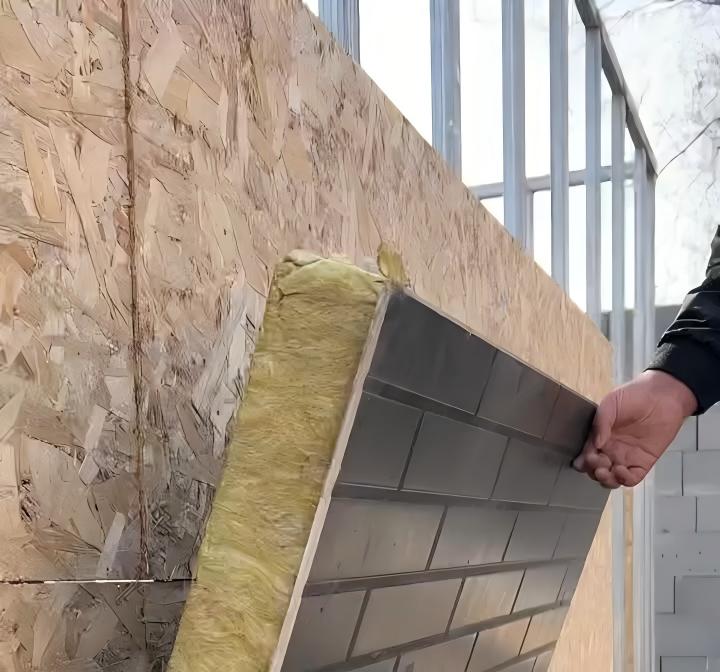
In the environmental adaptability test, during the plum rain season in Jiangsu, Zhejiang and Shanghai, the house had good sealing performance with no signs of moisture regain on the walls. After adding a thermal insulation layer in winter, the indoor temperature was 10℃ higher than the outdoor temperature, which was fully adapted to the climatic characteristics of Jiangsu, Zhejiang and Shanghai.
Peer Comparison: Highlighting Differentiated Advantages
Compared with the mainstream folding container houses on the market, the double-wing folding houses have obvious core advantages: the construction speed is 50% faster, solving the pain point of “tight time” in emergency scenarios; the space utilization rate is 20%-30% higher, meeting the space needs of temporary office hubs; the loading and unloading convenience is strong, reducing logistics and labor costs; the applicable environment is wider, and it can cope with the humid or cold weather in Jiangsu, Zhejiang and Shanghai without additional modification.
Case Support: Stable Performance in Practical Projects
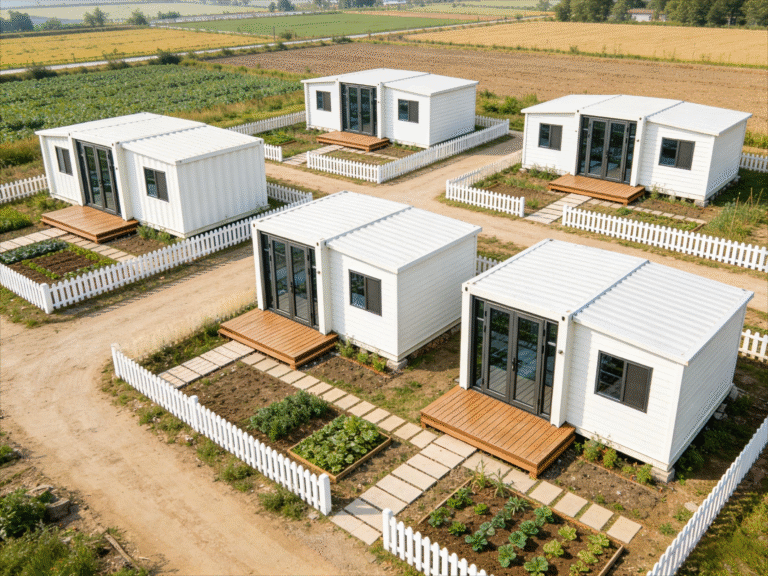
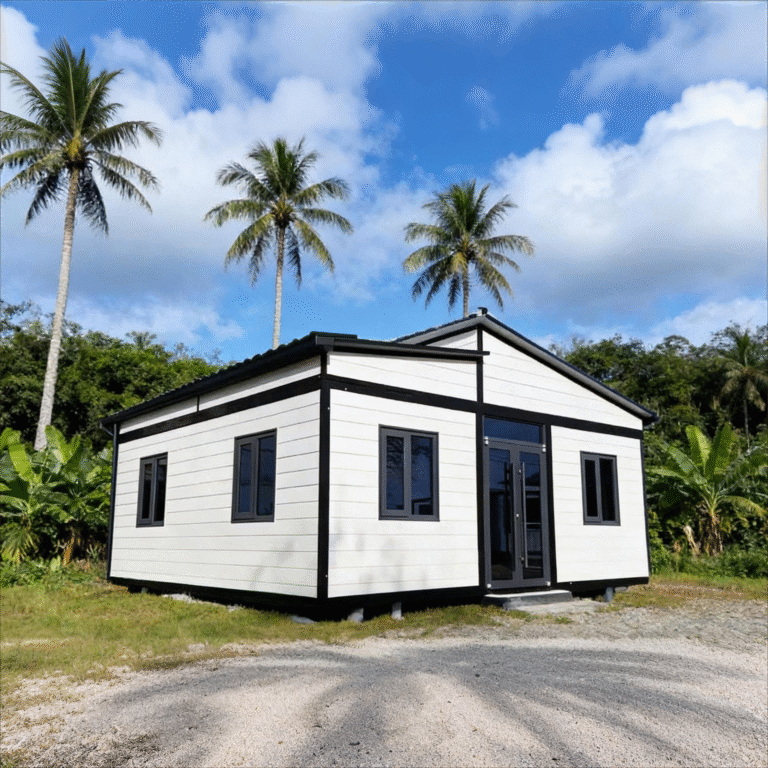
In addition to this field test, the expandable houses have verified their performance in multiple projects: In an emergency rescue drill in Jiangsu, Zhejiang and Shanghai, 30 sets of expandable houses were fully unfolded within 2 hours, providing sufficient rest and office space for rescuers. In an Indonesian mining project, as a temporary camp for geological exploration, their feature of quick construction solved the problem of “difficult deployment” in field operations.
Conclusion and Recommendations: An Optimal Solution for Emergency Scenarios
Through the evaluation, the expandable houses meet the requirements of emergency rescue and temporary public service scenarios in Jiangsu, Zhejiang and Shanghai in terms of construction speed, space utilization rate, loading and unloading convenience, and applicable environment. They are particularly suitable for scenarios that require rapid response, sufficient space, and adaptation to diverse climates. With technological innovation and verification in practical projects.
This article is translated from an industry-specific article.
Industry news is sourced from 生态环保公厕赣苏