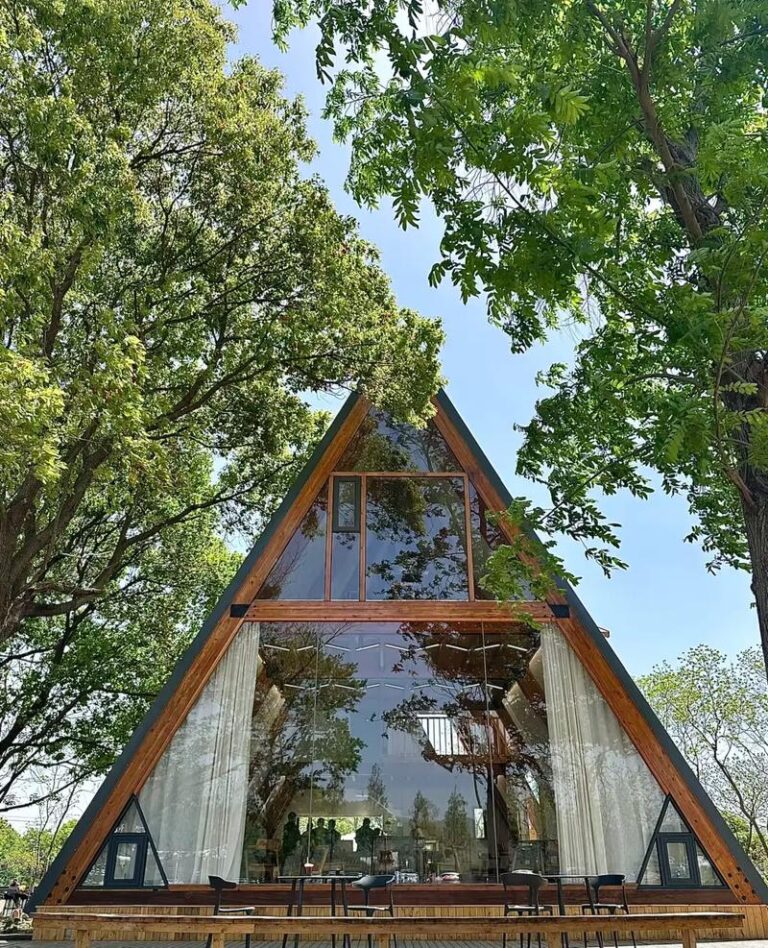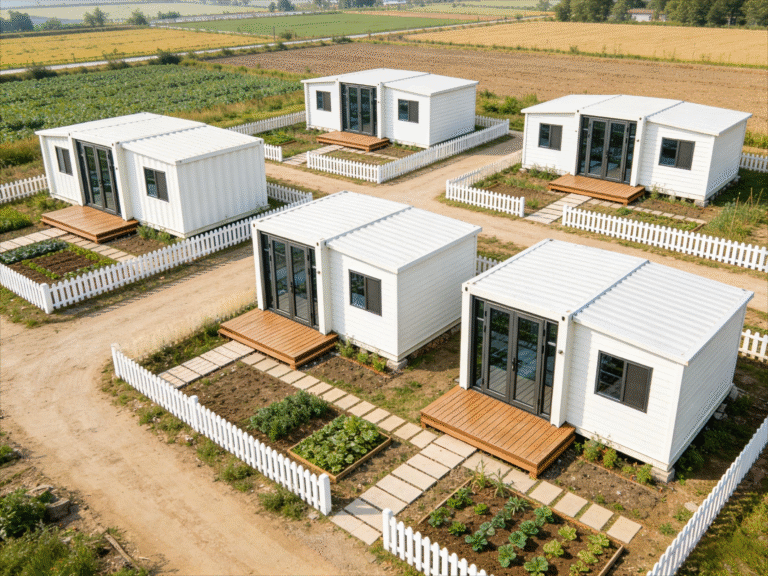
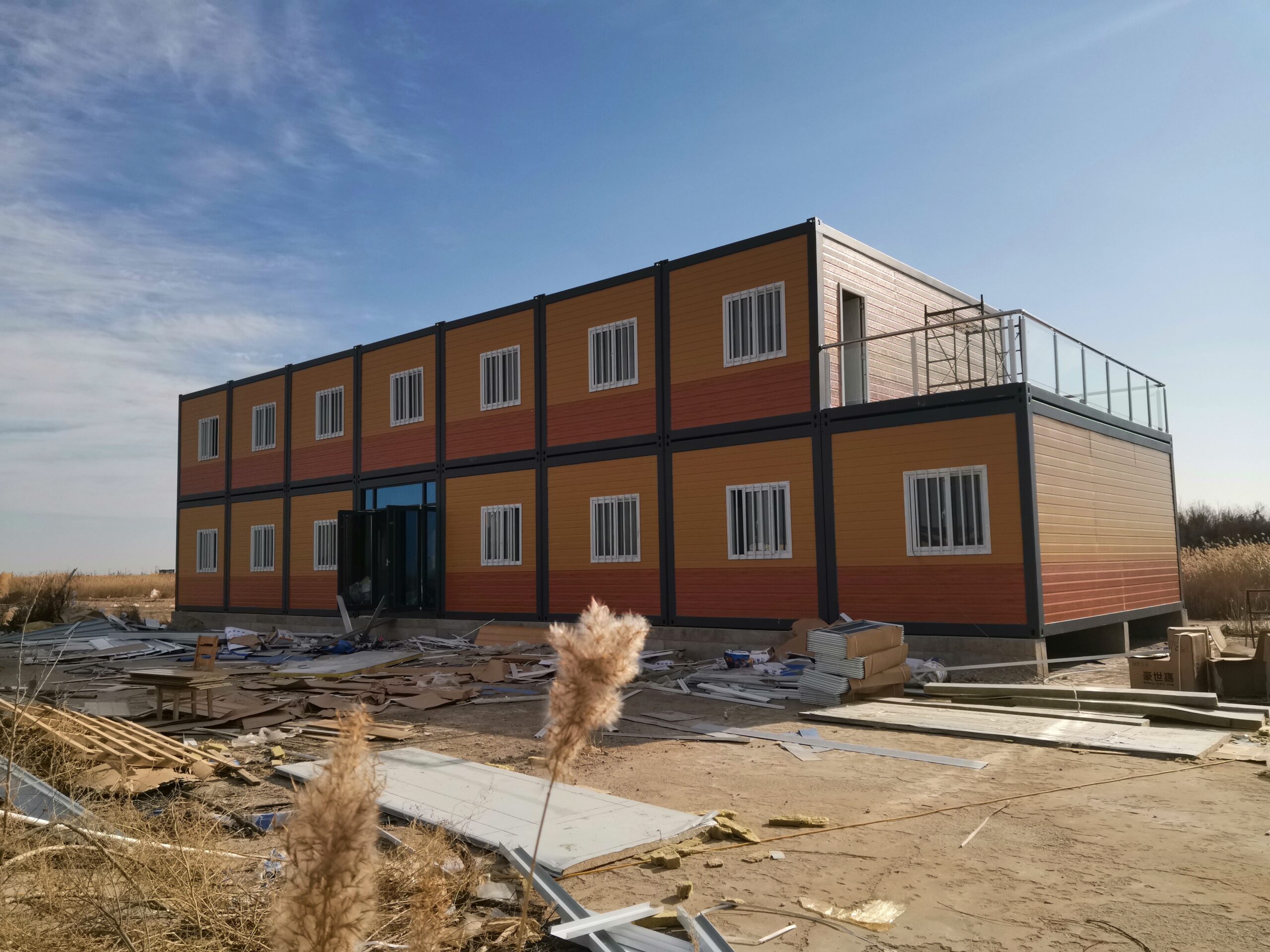
Modularization and integration have become an irreversible trend in architecture, and energy-efficient, high-performance integrated houses are leading the way for the future of the construction industry.
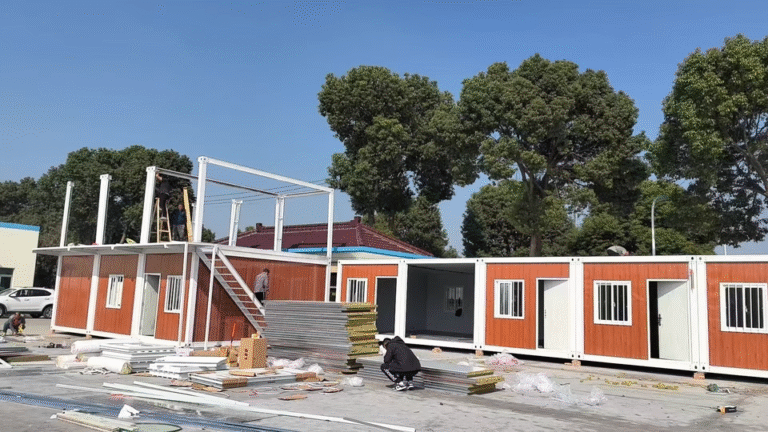
With its modular design concept and production technology, the modular container house is ingeniously divided into multiple standard components. These components are connected by bolts rather than welding, enabling rapid assembly. Whether it is the top frame assembly, bottom frame assembly, corner posts, or interchangeable wall panels, every part is meticulously designed to facilitate extremely convenient installation, transportation, disassembly, and storage. Furthermore, according to the specific conditions of the project site, various transportation methods such as top-bottom transportation, bulk transportation, or full-container transportation can be selected to flexibly address different challenges.
Advantages of Modular Container Houses
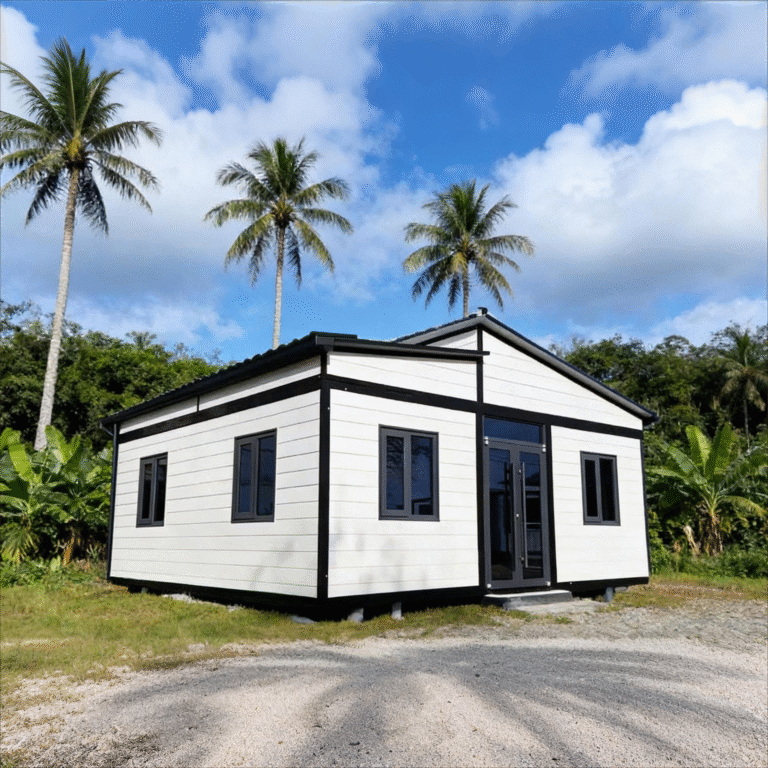
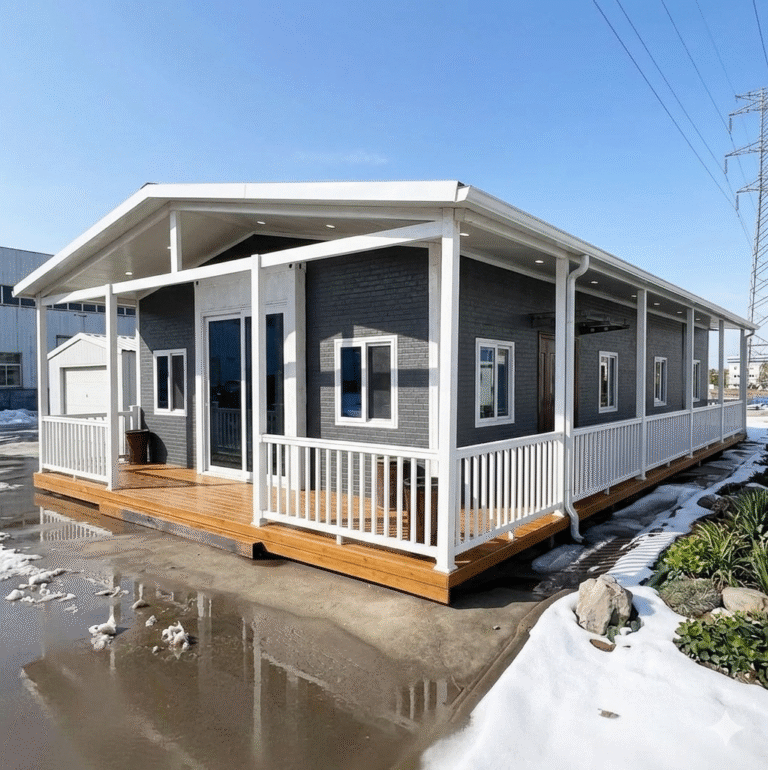
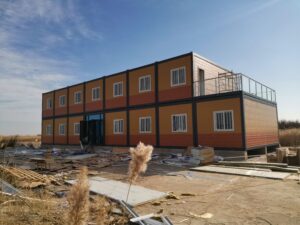
The modular container house offers numerous conveniences to users due to its unique characteristics. Its core component—the container—has its water supply, heating, electrical systems, interior decorations, and various supporting functions pre-finished with precision in the factory. Only simple on-site assembly or overall hoisting is required to put it into use quickly, significantly saving time and labor costs. Moreover, containers can be used independently or cleverly combined to create spacious areas and multi-layered structures, flexibly meeting various functional needs. At the same time, options such as unique roof designs and terrace decorations add distinctive charm to the living environment.
Convenient Installation and Construction
Modular container houses adopt new building materials and undergo pre-production and assembly in the factory. On-site construction only requires simple assembly or overall hoisting, enabling rapid completion of the building and greatly shortening the construction period.
Safety and Sealing Performance
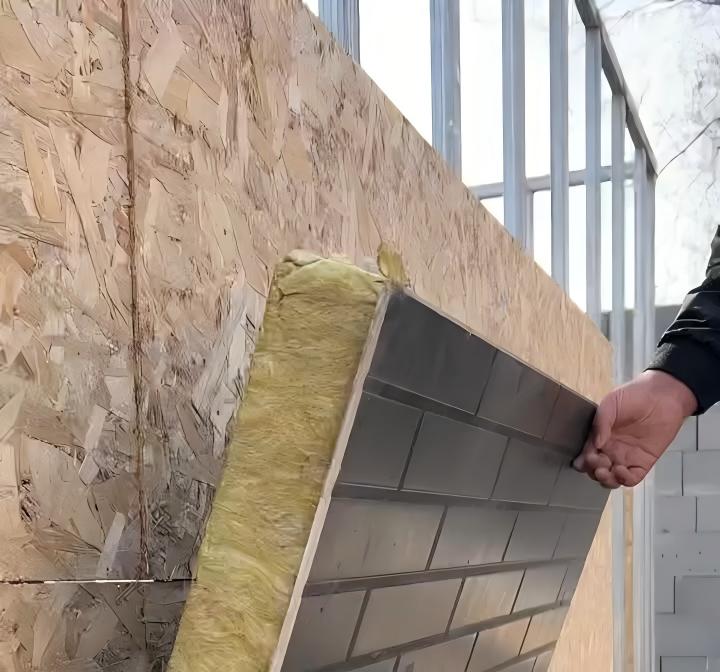
The overall structure of the modular container house is based on a light steel frame, with wall panels made of steel plates. The bolt connection method enhances the stability of the frame and significantly improves the load-bearing capacity of the columns, ensuring extremely high safety performance. Generally, the basic structure of the container unit boasts excellent durability, effectively guaranteeing the safety of occupants. Additionally, the internal partitions of the house use fire-resistant and thermal insulation materials, further enhancing the safety of the container building.

Convenient Transportation, Environmental Protection and Energy Conservation
The modular design of such houses makes transportation, disassembly, and assembly extremely convenient. It can be flattened to reduce space or transported as a whole container, effectively saving transportation costs. Meanwhile, the prefabricated production method reduces on-site construction waste, aligning with the concepts of environmental protection and energy conservation.
Flexible Design and High Strength
The adoption of a steel structure frame ensures high strength, making the modular container an excellent building unit with superior earthquake resistance. Its advantages are even more prominent in post-disaster reconstruction projects.
Appearance Design and Weather Resistance
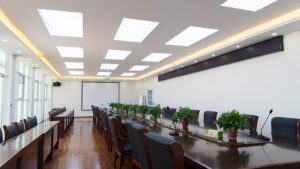
The walls of the modular container house are made of color steel sandwich panels and adopt a small-panel combined design, which ensures a more scientific connection between components and a smooth and flat overall appearance. In addition, each house is carefully equipped with fluorescent lamps, windows, and doors, and all wires are routed in concealed ways to avoid exposure—this not only ensures indoor safety but also presents an aesthetically pleasing visual effect. The high-quality materials used also enhance the house’s weather resistance, enabling it to adapt to various climatic conditions.
Application and Installation Requirements
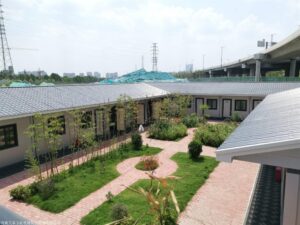
Modular container houses can meet the commercial housing needs of various fields, including bases, commercial sectors, military units, real estate development model houses, young entrepreneurial groups, housing rentals, internet-famous live broadcast studios, and tourism development. Whether used as offices, exhibition halls, sales offices, homestays, shopping malls, or apartment buildings, they can provide excellent living comfort. During installation, it is necessary to ensure a flat and stable foundation to ensure the overall stability and safety of the house, and professional construction teams are recommended to carry out the assembly work to meet relevant technical standards.