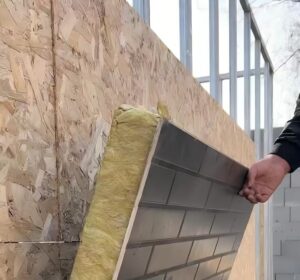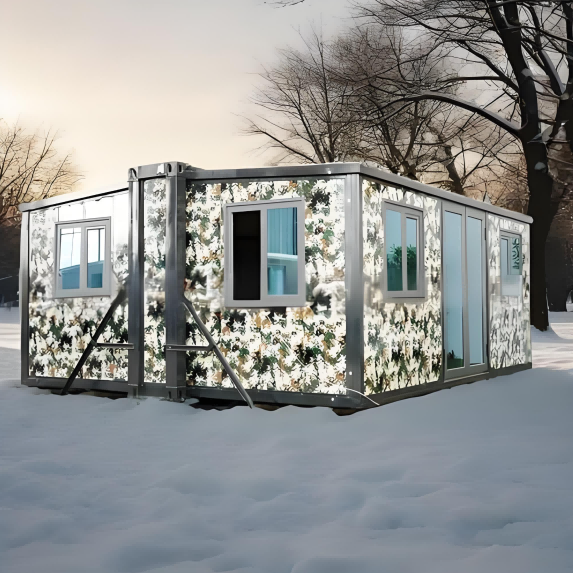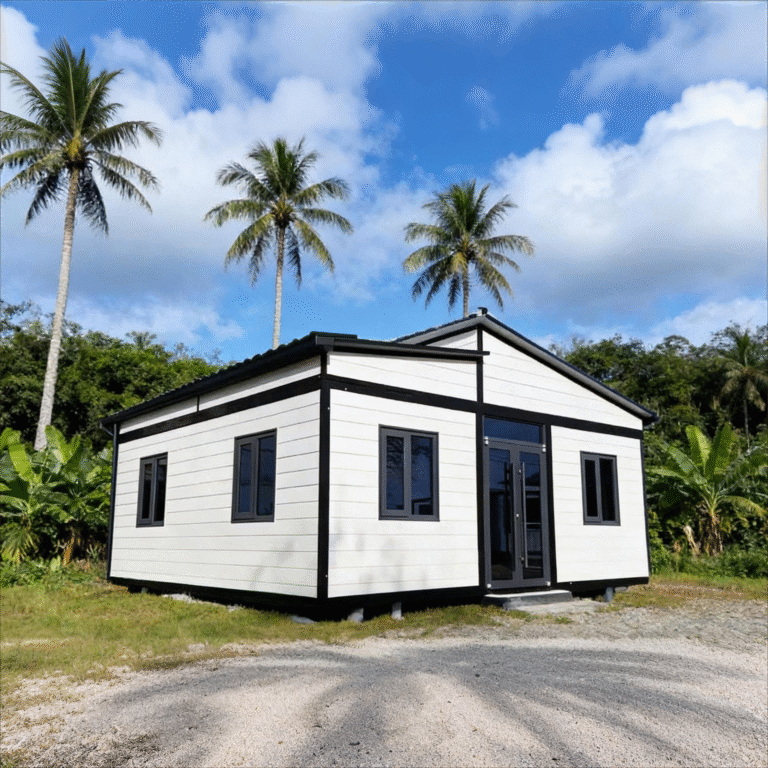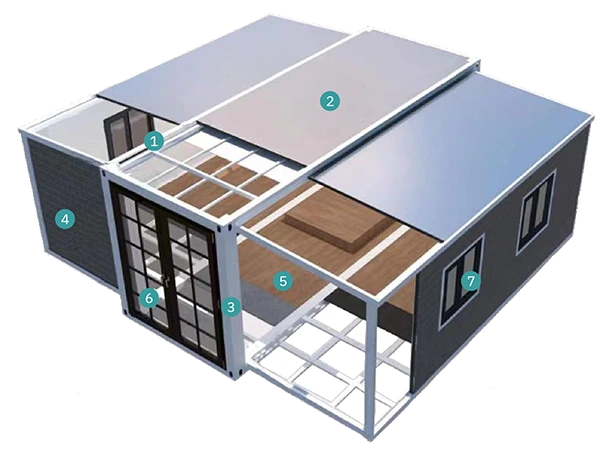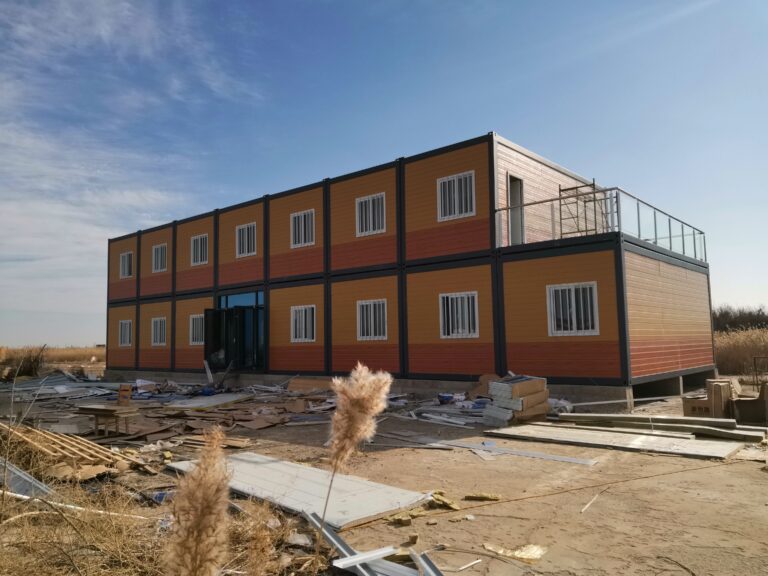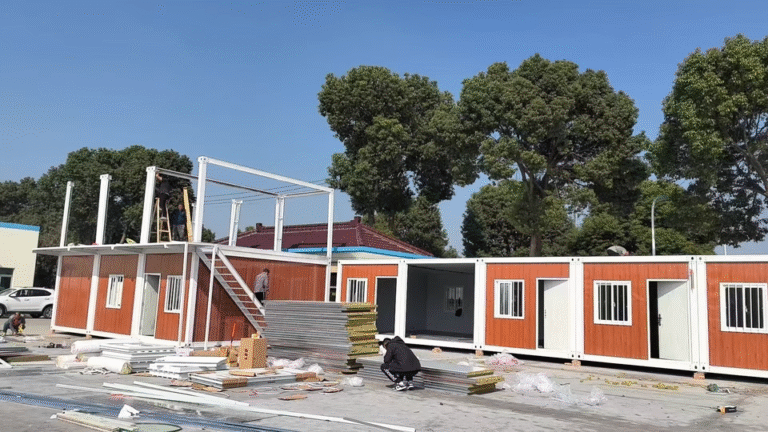
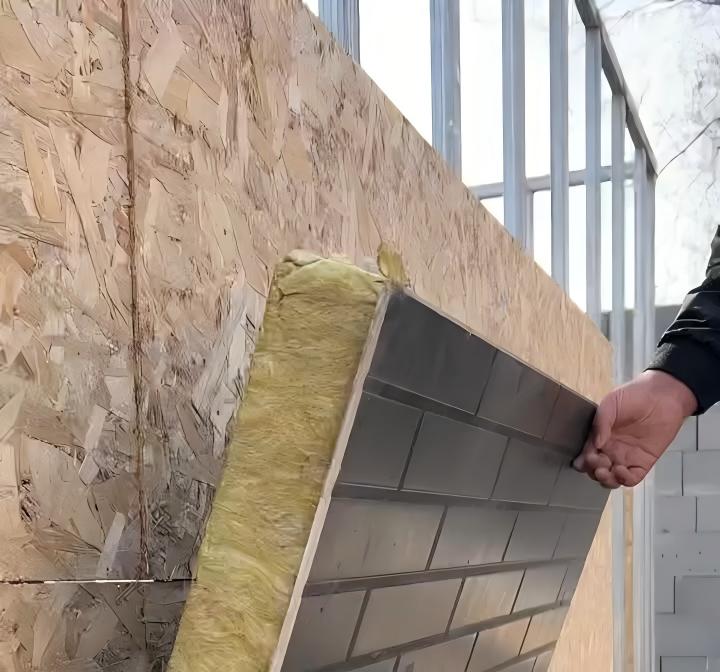
In modern prefabricated and modular house,insulation layers serve as a crucial component for enhancing building energy efficiency, reducing energy consumption, and improving residential comfort. They are particularly essential for exterior walls in both cold and hot regions. By minimizing heat transfer between the interior and exterior of a building, insulation layers achieve the dual functions of thermal retention in winter and heat insulation in summer. Different insulation materials, with their varied performance, cost-effectiveness and application scenarios, are widely used in residential buildings, commercial structures and industrial facilities.
Functions of Insulation Layers
Energy Conservation & Consumption Reduction: Cut down energy consumption for building heating and cooling, and comply with the requirements specified in General Code for Building Energy Conservation and Renewable Energy Utilization (GB 55015-2021).
Comfort Enhancement: Maintain a stable indoor temperature, minimize the thermal bridge effect, and improve living experience.
Structural Protection: Reduce the temperature difference stress on building walls and extend the service life of the structure.
Environmental Protection & Emission Reduction: Lower energy consumption and carbon emissions, facilitating the development of green buildings.
Common Insulation Materials
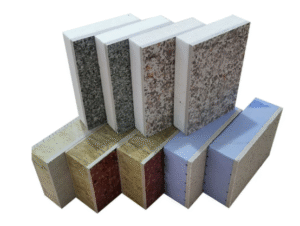
The selection of insulation materials should take into account factors such as thermal conductivity, density, fire resistance, water absorption rate, construction convenience and cost. Below are the common types of insulation materials used in construction:
Organic Materials: Such as polystyrene (EPS, XPS), polyurethane (PU) and phenolic foam (PF), featuring low thermal conductivity and light weight.
Inorganic Materials: Such as rock wool, glass wool, expanded perlite and foamed glass. They have excellent fire resistance and are suitable for buildings with high fire protection requirements.
Composite Materials: Such as polystyrene board-rock wool composites and vacuum insulation panels (VIP), which combine the advantages of multiple materials.
New-type Materials: Such as aerogel and nanometer insulation materials. They boast ultra-low thermal conductivity, yet come with a relatively high cost.